
Choosing the best tiles for your Omani home isn’t just about aesthetics—it’s about survival in one of the world’s most challenging climates. With summer temperatures soaring above 48°C and intense UV radiation beating down on exposed surfaces, your tile selection can make the difference between a comfortable, lasting home and one plagued by cracking, fading, and heat retention issues. The right tiles don’t just endure Oman’s extreme conditions; they actively help keep your spaces cooler and more comfortable.

Whether you’re building a new villa in Muscat, renovating your apartment in Sohar, or upgrading outdoor spaces in Nizwa, understanding which tiles perform best in Oman’s hot climate is essential. From porcelain’s superior heat resistance to natural stone’s cooling properties, each material offers distinct advantages. The coastal humidity in Muscat presents different challenges than the dry heat of interior regions, requiring careful consideration of moisture resistance alongside temperature tolerance.
At Al Fanar Group, we’ve spent years helping Omani homeowners select tiles that not only survive but thrive in our unique climate. Through countless installations across Muscat, Sohar, and Nizwa, we’ve identified the tile materials, colors, and finishes that deliver the best long-term performance in extreme heat. This comprehensive guide shares that expertise to help you make an informed decision that protects your investment and enhances your comfort.
Understanding Oman’s Climate Challenges for Tiles
Temperature Extremes and Their Impact
Oman’s climate subjects tiles to some of the harshest conditions on earth. Surface temperatures on dark tiles can exceed 70°C during peak summer months, causing thermal expansion and contraction that many materials simply cannot withstand. This constant cycle of extreme heating during the day and cooling at night creates stress that leads to cracking, warping, and grout deterioration in inferior products.
The intensity of UV radiation in Oman is particularly destructive to colored tiles and certain glazes. Lower-quality materials fade significantly within just two to three years of installation, while premium options maintain their appearance for decades. Choosing best tiles with proven UV resistance isn’t optional in Oman—it’s essential for protecting your investment.
Humidity and Moisture Considerations
Coastal areas like Muscat experience high humidity levels that compound heat-related challenges. Tiles must resist not only extreme heat but also moisture penetration that can lead to mold growth, efflorescence, and structural damage. The combination of heat and humidity requires tiles with minimal water absorption rates and proper sealing.
Interior regions face different challenges, with extremely dry conditions and dramatic temperature swings between seasons. Tiles in these areas must handle thermal shock without cracking while resisting dust and sand accumulation that can wear down surfaces over time.
Top Tile Materials for Oman’s Hot Climate
Porcelain Tiles: The Premium Choice
Porcelain tiles stand out as the superior option for Oman’s climate due to their exceptional density and virtually zero water absorption rate. Manufactured at extremely high temperatures, porcelain achieves a hardness and durability that outperforms other materials in heat resistance and longevity. These tiles maintain structural integrity even when exposed to direct sunlight for extended periods.
The low porosity of porcelain tiles makes them ideal for both indoor and outdoor applications in Oman. They resist moisture penetration that causes problems in humid coastal areas while their thermal properties help keep surfaces cooler than many alternatives. Premium porcelain options from brands available at Al Fanar Group feature through-body color that prevents visible wear even after years of use.
Large-format porcelain tiles have become increasingly popular for Omani homes because they minimize grout lines, which are vulnerable points in any tiled surface. Fewer grout lines mean reduced maintenance and less opportunity for heat-related deterioration. The sleek, contemporary appearance of large porcelain tiles also aligns perfectly with modern Omani architectural preferences.
Ceramic Tiles: Affordable and Reliable
High-quality ceramic tiles offer excellent performance in Oman’s climate at a more accessible price point than porcelain. While ceramic tiles have slightly higher water absorption rates than porcelain, premium glazed ceramic products still provide adequate moisture resistance for most applications. The key is selecting best tiles specifically rated for outdoor use and extreme temperature conditions.
Ceramic tiles excel in shaded areas and indoor spaces where direct sun exposure is limited. They work particularly well for bathroom walls, kitchen backsplashes, and covered patios where their lower cost allows for more elaborate designs without compromising on quality. The variety of colors, patterns, and finishes available in ceramic tiles provides excellent design flexibility.
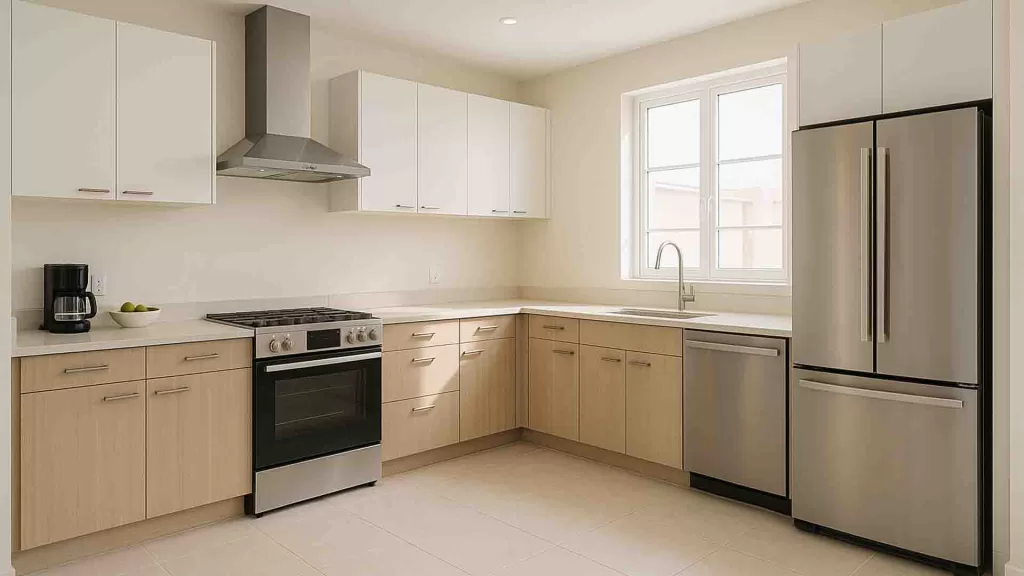
When choosing ceramic tiles for Oman, verify the frost resistance rating even though freezing isn’t a local concern. Tiles rated for frost resistance typically possess the density and quality needed to handle extreme heat and temperature fluctuations. This counter-intuitive specification serves as a reliable indicator of overall tile quality.
Natural Stone: Timeless Elegance with Cooling Properties
Natural stone tiles like marble, granite, and limestone bring inherent cooling properties that make them particularly comfortable underfoot in hot climates. Stone’s thermal mass allows it to absorb heat during the day and release it slowly, helping regulate temperature fluctuations. Kayan Marbles, available through Al Fanar Group, offer premium natural stone options specifically selected for Oman’s conditions.
Marble tiles create luxurious spaces while remaining surprisingly cool even in direct sunlight when properly installed. Light-colored marble reflects rather than absorbs heat, contributing to cooler indoor temperatures. However, marble requires professional sealing and regular maintenance to protect against moisture and staining in humid environments.
Granite tiles provide exceptional durability and heat resistance with minimal maintenance requirements. The hardness of granite makes it virtually impervious to scratching and wear, while its low porosity naturally resists moisture penetration. Granite works beautifully for outdoor applications, pool areas, and high-traffic zones where other materials might deteriorate.
Modern Alternatives: Engineered Stone and Specialized Tiles
Engineered stone tiles combine natural stone’s aesthetic appeal with enhanced performance characteristics. These products incorporate stone particles with advanced resins to create tiles that resist heat, moisture, and staining better than natural alternatives. They offer the luxury appearance Omani homeowners desire with reduced maintenance demands.
Specialized cooling tiles designed specifically for hot climates represent the latest innovation in tile technology. These tiles incorporate reflective properties and advanced materials that remain significantly cooler than traditional options even in direct sunlight. While currently at premium price points, cooling tiles deliver measurable comfort improvements in outdoor living spaces.
Color Selection: The Critical Factor in Heat Management
Why Light Colors Matter in Oman
The single most impactful decision for managing heat in Oman is selecting light-colored tiles. Light colors reflect solar radiation rather than absorbing it, keeping surfaces dramatically cooler. Temperature differences between light and dark tiles can exceed 20°C, making light colors essential for outdoor applications and sun-exposed areas.
Whites, light grays, beiges, and cream tones remain the most practical choices for Oman’s climate. These colors not only keep surfaces cooler but also minimize visible dust and sand accumulation that darker tiles show prominently. Light colors create an illusion of spaciousness while enhancing natural light in interior spaces.
Strategic Use of Darker Tones
While light colors dominate practical considerations, strategic incorporation of darker tiles remains possible in shaded areas and interiors. Accent walls, covered patios, and indoor spaces can feature darker tones without the extreme heat retention issues of exposed applications. Combining light floors with darker wall accents creates visual interest while maintaining thermal comfort.
Consider the specific exposure and use of each space when selecting tile colors. North-facing walls and heavily shaded areas tolerate darker colors better than south and west-facing surfaces that receive intense afternoon sun. Professional consultation helps identify opportunities for color variation without compromising comfort or durability.
Finish Types and Their Performance in Heat
Matte vs. Polished: Practical Considerations
Matte finish tiles offer superior slip resistance and hide dust, scratches, and wear better than polished alternatives. In Oman’s sandy environment, matte tiles maintain their appearance with less frequent cleaning. The textured surface of matte tiles also provides better traction when wet, essential for bathroom and pool area safety.
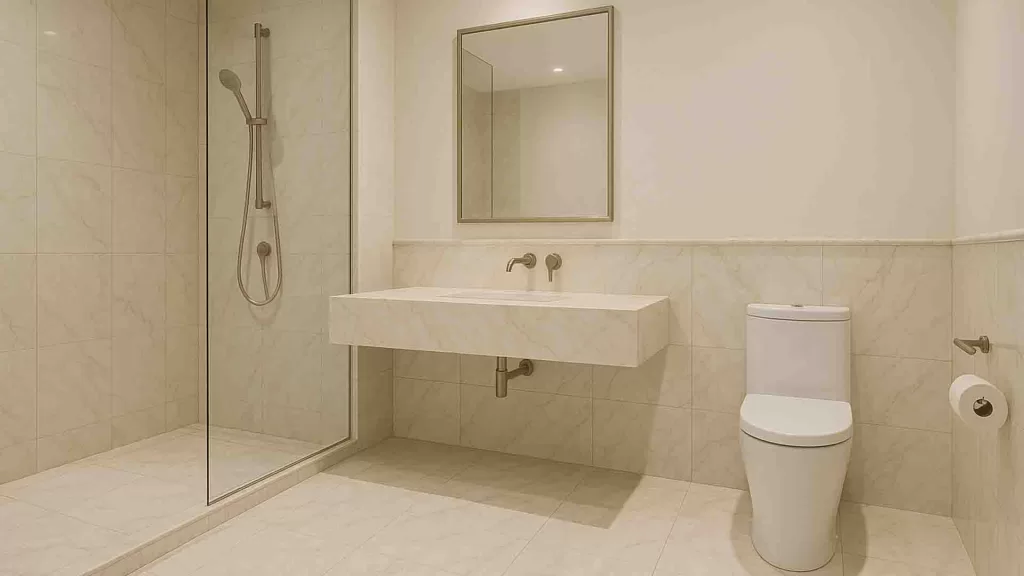
Polished tiles create stunning visual impact and reflect light beautifully, enhancing interior brightness. However, polished surfaces show every footprint and water spot, requiring constant maintenance in active households. The slippery nature of polished tiles when wet also presents safety concerns, particularly for families with children or elderly residents.
Textured and Anti-Slip Options
Outdoor areas in Oman absolutely require anti-slip textured tiles for safety and functionality. Textured surfaces provide secure footing even when wet from cleaning or unexpected rain. The texture helps dissipate heat slightly by increasing surface area, though this effect is minimal compared to color and material selection.
Modern manufacturing techniques produce textured tiles that combine safety with aesthetic appeal. Stone-look porcelain tiles with subtle texture mimic natural stone’s appearance while delivering superior performance and easier maintenance. These options satisfy both practical requirements and design preferences.
Installation Considerations for Hot Climates
Substrate Preparation and Expansion Joints
Proper installation is as critical as tile selection for long-term performance in Oman’s extreme conditions. Substrates must be perfectly level and stable, with appropriate moisture barriers to prevent water infiltration. Expansion joints allow tiles to expand and contract with temperature changes without cracking.
Professional installers familiar with Oman’s climate understand the importance of wider expansion joints than standard specifications might suggest. The extreme temperature ranges require additional accommodation for thermal movement. Cutting corners on proper joint spacing leads to cracked tiles and grout failure within just a few years.
Adhesive and Grout Selection
High-quality flexible adhesives specifically formulated for extreme temperatures ensure tiles remain bonded despite thermal stress. Standard adhesives fail in Oman’s heat, leading to loose tiles and eventual complete failure. Investment in premium adhesives protects the much larger investment in quality tiles.
Epoxy grout significantly outperforms cement-based alternatives in hot, humid climates. Epoxy grout resists staining, doesn’t require sealing, and maintains flexibility that accommodates thermal expansion. While more expensive and challenging to install, epoxy grout eliminates the maintenance headaches and premature deterioration common with standard grout.
Maintenance Requirements in Oman’s Climate
Regular Cleaning and Sealing
All tiles in Oman require regular cleaning to remove dust, sand, and salt deposits that accumulate from the environment. Light-colored tiles need more frequent cleaning to maintain their appearance, while darker tiles show wear more readily over time. Establishing a consistent cleaning routine prevents buildup that becomes increasingly difficult to remove.
Natural stone tiles require periodic resealing to maintain their protective barrier against moisture and staining. The frequency depends on stone type and exposure, ranging from annual to every three to five years. Professional sealing ensures proper coverage and optimal protection, extending the life of expensive stone installations.
Addressing Heat-Related Issues
Monitor grout lines for signs of deterioration, particularly in outdoor installations. Cracks in grout allow moisture penetration that accelerates damage. Addressing grout issues promptly prevents minor problems from becoming major repairs. Professional grout replacement every five to seven years maintains the integrity of tile installations in harsh conditions.
Watch for efflorescence—white powdery deposits that appear on tiles and grout. This phenomenon indicates moisture moving through tiles and bringing salts to the surface. Efflorescence isn’t merely cosmetic; it signals potential structural issues requiring professional assessment and remediation.
Cost vs. Performance: Making Smart Investments
Understanding True Long-Term Value
While premium tiles cost more initially, their superior performance in Oman’s climate delivers significant long-term savings. Cheap tiles that crack, fade, or deteriorate within five years require complete replacement, ultimately costing far more than quality products that last decades. Calculate total cost of ownership rather than focusing solely on initial purchase price.
Professional installation from experienced contractors familiar with Oman’s climate adds to upfront costs but prevents expensive failures. Poor installation of even the best tiles results in problems, while expert installation of quality products delivers decades of trouble-free performance. Al Fanar Group’s professional installation services ensure optimal results from your tile investment.
Where to Invest and Where to Save
Prioritize premium tiles in high-exposure areas: outdoor patios, pool surrounds, west-facing walls, and uncovered surfaces. These locations endure the harshest conditions and benefit most from top-tier materials. Interior spaces and shaded areas can utilize mid-range options without compromising durability.
Large-format tiles reduce installation time and grout line maintenance despite higher material costs. The labor savings and reduced long-term maintenance often offset the premium price of large tiles. This approach works particularly well for open living areas and outdoor entertaining spaces.
Al Fanar’s Premium Tile Collections for Oman
Kayan Marbles: Luxury Engineered for Oman’s Climate
Al Fanar Group’s exclusive Kayan Marbles collection represents the pinnacle of tile performance and beauty for Omani homes. These premium surfaces undergo rigorous testing to ensure they meet the specific demands of our climate. Each product in the collection features enhanced heat resistance, low water absorption, and UV-stable coloration that maintains its beauty for decades.
The Kayan Marbles range includes options for every application, from elegant interior floors to durable outdoor surfaces. Light-colored marble-look porcelain tiles deliver the luxurious appearance of natural stone with virtually zero maintenance requirements. These tiles remain cool underfoot even in direct sunlight, creating comfortable outdoor living spaces.
Curated International Collections
Al Fanar Group partners with leading international tile manufacturers to bring proven performers to Oman. Our selection process focuses exclusively on products with demonstrated success in extreme climate conditions similar to ours. Each collection in our showrooms has been vetted for heat resistance, durability, and long-term performance.
Visit our Muscat, Sohar, or Nizwa showrooms to experience these premium tiles firsthand. Our design consultants provide personalized guidance based on your specific project requirements, exposure conditions, and aesthetic preferences. We help you navigate the extensive options to identify the perfect tiles for each area of your home.
Frequently Asked Questions
What is the best tile material for outdoor use in Oman’s extreme heat?
Porcelain tiles in light colors represent the optimal choice for outdoor applications in Oman. High-quality porcelain withstands extreme temperatures, resists moisture, and maintains its appearance despite intense UV exposure. Look for porcelain rated for outdoor use with water absorption below 0.5%. Light colors like white, cream, or light gray keep surfaces significantly cooler than darker alternatives. Al Fanar Group’s porcelain collections include products specifically tested for Oman’s climate conditions.
How much cooler do light-colored tiles stay compared to dark tiles?
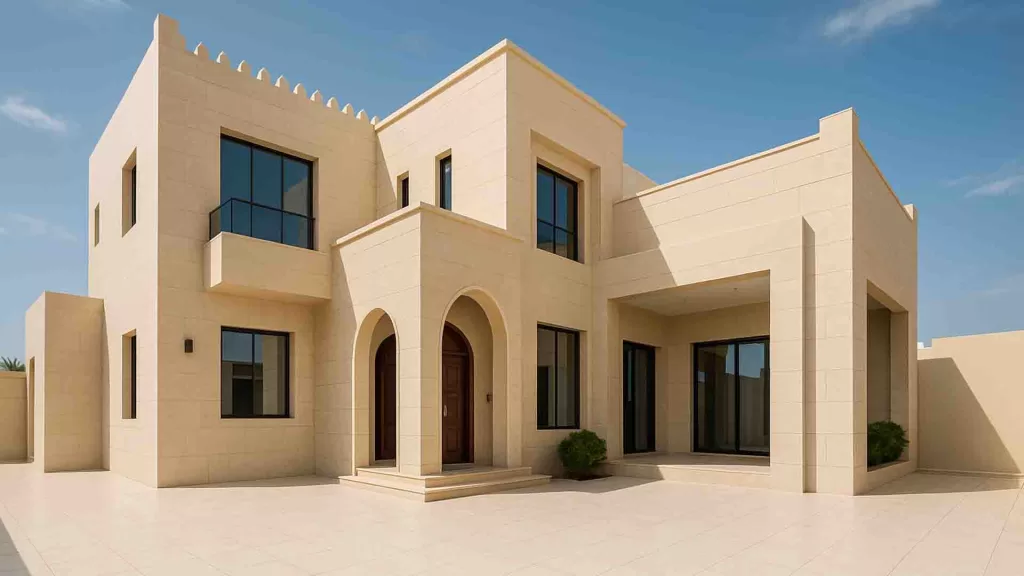
Light-colored tiles remain 15-25°C cooler than dark tiles in direct sunlight. This dramatic temperature difference directly impacts comfort in outdoor spaces and heat transfer into air-conditioned interiors. A white or light gray tile might reach 45-50°C in afternoon sun, while a dark gray or black tile can exceed 70°C. This temperature difference is not merely uncomfortable—it can cause burns and accelerates deterioration of both tiles and grout. Choosing light colors is one of the single most important decisions for managing heat in Oman.
Do I need special grout for tiles in Oman’s hot climate?
Yes, standard cement-based grout performs poorly in Oman’s extreme conditions. Epoxy grout is strongly recommended for both indoor and outdoor installations. Epoxy grout resists cracking from thermal expansion, doesn’t require sealing, and maintains its color and integrity despite temperature extremes and humidity. While epoxy grout costs more and requires professional installation, it eliminates the maintenance and premature failure common with standard grout. For long-term performance and minimal maintenance, epoxy grout is worth the investment.
Can I use ceramic tiles outdoors in Oman, or do I need porcelain?
While porcelain is the superior choice for outdoor applications, high-quality ceramic tiles rated for outdoor use can perform adequately in covered areas like shaded patios and covered walkways. Avoid standard ceramic tiles for uncovered outdoor spaces exposed to direct sunlight and weather. Check that ceramic tiles have water absorption rates below 3% and are specifically rated for freeze-thaw resistance, which indicates the density needed for temperature extremes. For uncovered patios, pool areas, and high-exposure locations, invest in porcelain for reliable long-term performance.
How often do tiles in Oman need to be resealed?
Sealing requirements depend on tile type and location. Porcelain tiles typically don’t require sealing, while natural stone tiles need resealing every 1-3 years for outdoor installations and every 3-5 years indoors. The harsh climate accelerates degradation of sealers, so outdoor stone requires more frequent attention than in milder climates. Grout lines (if not using epoxy grout) should be sealed annually in outdoor applications and every 2-3 years indoors. Regular sealing prevents moisture penetration, staining, and premature deterioration of both tiles and grout.
What tile size works best for outdoor areas in hot climates?
Large-format tiles (60x60cm or larger) perform exceptionally well in outdoor areas for several reasons. Fewer grout lines mean less vulnerability to heat-related deterioration and easier maintenance. Large tiles also create a more seamless, contemporary appearance that complements modern Omani architecture. However, ensure large tiles include appropriate expansion joints to accommodate thermal movement. For areas with complex layouts or drainage requirements, medium-format tiles (40x40cm or 30x60cm) may offer more flexibility while still minimizing grout lines.
Are matte or glossy tiles better for Oman’s climate?
Matte finish tiles perform better in Oman’s climate for most applications. Matte surfaces hide dust, sand, and minor scratches that show prominently on glossy tiles. They provide better slip resistance when wet, essential for safety in bathrooms and outdoor areas. Matte tiles also handle temperature extremes better, as polished surfaces can develop micro-cracks from thermal stress. Reserve glossy tiles for protected indoor areas like feature walls where their reflective beauty enhances spaces without the practical drawbacks of high-traffic or outdoor use.
How do I know if tiles are heat-resistant enough for Oman?
Look for tiles specifically rated for extreme temperature conditions with documented testing results. Quality manufacturers provide technical specifications including thermal shock resistance and maximum operating temperatures. Tiles suitable for Oman should handle temperatures above 70°C without degradation. Porcelain tiles manufactured at temperatures exceeding 1200°C possess the density and stability needed for our climate. At Al Fanar Group, our tile specialists can verify the specifications of any product and recommend options proven to perform in Oman’s conditions.
What’s the expected lifespan of quality tiles in Oman’s harsh climate?
Premium porcelain and natural stone tiles properly installed and maintained can last 30-50 years or more in Oman’s climate. Mid-range ceramic tiles typically perform well for 15-25 years in protected areas. The key factors affecting lifespan include material quality, color choice, installation quality, and maintenance consistency. Light-colored porcelain with epoxy grout professionally installed represents the most durable option, potentially lasting the entire life of the building. Cheap tiles or poor installation may require replacement within just 5-10 years, making quality products a wise long-term investment.
Can I install tiles myself, or should I hire professionals in Oman?
Professional installation is strongly recommended for Oman’s extreme climate. Proper substrate preparation, adhesive selection, expansion joint placement, and grout application require expertise and experience with local conditions. DIY installation might seem economical initially, but mistakes lead to premature failure and expensive repairs. Professional installers understand how to accommodate thermal expansion, ensure proper drainage, and select appropriate materials for each application. Al Fanar Group’s installation services include warranties that protect your investment, providing peace of mind that DIY installation cannot match.
Conclusion: Make the Right Choice for Lasting Comfort
Selecting the right tiles for Oman’s hot climate requires balancing aesthetics, performance, and budget considerations. Light-colored porcelain tiles offer the best all-around performance, combining superior heat resistance with low maintenance and exceptional durability. Natural stone creates timeless beauty with inherent cooling properties, while high-quality ceramic tiles provide affordable reliability for protected areas.
The expertise and product selection at Al Fanar Group eliminate the guesswork from choosing tiles for Oman’s challenging climate. Our curated collections include only products proven to withstand extreme heat, intense UV radiation, and demanding conditions. Professional consultation ensures you select the best tiles for each specific application in your project.
Ready to transform your space with premium tiles designed for Oman’s climate? Visit Al Fanar Group showrooms in Muscat, Sohar, or Nizwa to explore our exclusive Kayan Marbles collection and international tile ranges. Our design experts provide complimentary consultation to help you select the perfect tiles for your project. Contact us today to schedule your showroom visit and discover why Al Fanar is Oman’s trusted source for premium tiles and complete surface solutions.